Nov 4 2026
Sakura season in Japan: the best places to see cherry blossoms
by Venus Low
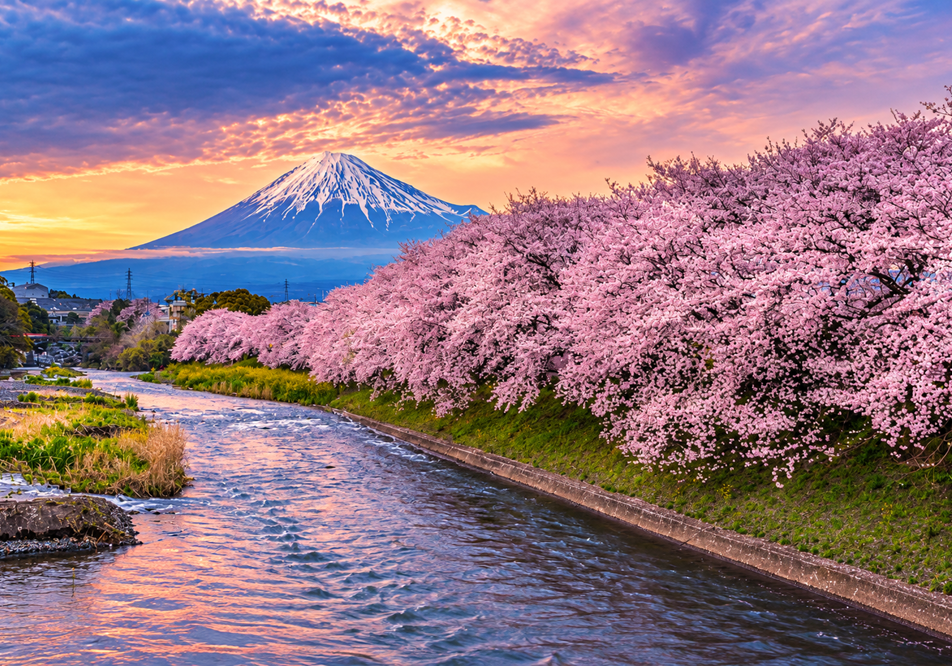
Picture Kyoto’s old streets framed by pale pink flowers, a picnic beneath the trees in Tokyo, or a castle surrounded by drifting petals in northern Japan. These are the moments that make sakura season worth planning a trip around.
For Malaysians hoping to see sakura in Japan, late March to early April is a useful starting point for Tokyo, Kyoto and Osaka. But the season moves across the country, so travellers visiting in late April or early May can still look north towards Aomori and Hokkaido.
Here’s where to go, how to choose your travel dates and what to prepare before leaving Malaysia, without planning your entire holiday around one unpredictable day of full bloom.
When is the best time to see sakura in Japan?
The best time is generally late March to early April for Tokyo, Kyoto and Osaka. Japan’s warmer regions bloom earlier, while the cherry blossoms reach northern areas such as Aomori and Hokkaido later in spring.
The Japan National Tourism Organisation (JNTO) provides regional bloom forecasts, but it’s important to distinguish first bloom from full bloom. A forecast telling you that flowers will open on a certain date doesn’t mean the trees will already be covered in blossoms. Full bloom often follows later, depending on the weather.
Sakura usually remain at full bloom for around a week. Rain, wind and sudden temperature changes can shorten that window, which is why choosing a destination and allowing several days there is more practical than chasing one exact date. For planning, these are the usual regional windows rather than confirmed dates for 2027.
| Region | Typical viewing period | Place to consider |
| Tokyo | Late March to early April | Chidorigafuchi, Shinjuku Gyoen, Ueno Park |
| Kyoto and Osaka | Late March to early April | Philosopher’s Path, Maruyama Park, Osaka Castle |
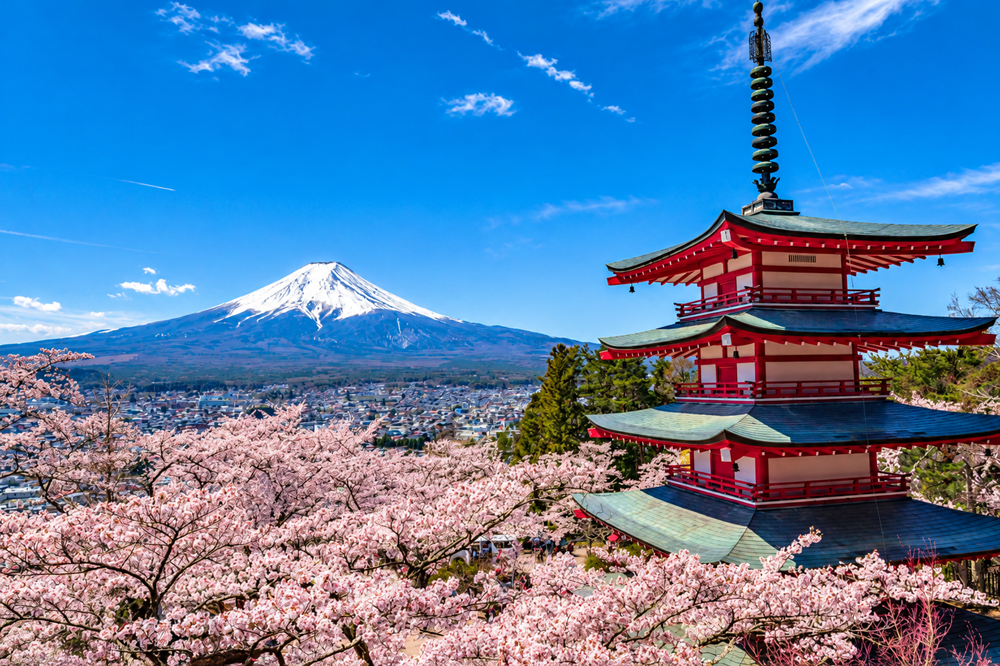
| Mount Fuji area | Early to mid-April | Lake Kawaguchi, Chureito Pagoda |
| Aomori and northern Tohoku | Mid-April to early May | Hirosaki Park |
| Hokkaido | Late April to early May | Goryokaku Park, Hakodate |
The latest JNTO forecast available as of November 2026 is for the 2026 season. Check its updated cherry blossom forecast nearer your departure rather than treating last year’s dates as a promise for 2027.
Best places to see cherry blossoms in Japan
Different destinations offer very different sakura experiences. Tokyo has riverside paths and spacious gardens, Kyoto combines blossoms with temples and traditional neighbourhoods, while northern Japan offers castle scenery later in spring.
Tokyo for riverside walks and park picnics
At Chidorigafuchi, near the Imperial Palace, cherry trees stretch along the moat and form a pink canopy over a walking path of roughly 700m. The best photographs often come from the water’s edge, where the flowers are reflected in the moat. Head towards Kudanshita Station and visit earlier in the morning if you’d rather avoid the busiest crowds.
Shinjuku Gyoen is another good choice, especially for families. With different garden landscapes and around 1,000 cherry trees, you can spend several hours wandering rather than standing in one crowded photo spot. The garden has entry rules, so check opening hours and any seasonal reservation requirements before visiting.
For a livelier outing, visit Ueno Park, where the walkways fill with blossom viewers. Add nearby Ameyoko Market or museums around Ueno to turn the outing into a full day, even if the flowers aren’t quite at their peak.
Kyoto for sakura among temples and old streets
Kyoto’s Philosopher’s Path follows a canal lined with cherry trees. Walk towards Ginkakuji, taking time for the little cafés, side streets and temples along the way. It’s especially pleasant for travellers who prefer exploring on foot instead of racing between attractions.
Over in Gion, Maruyama Park is known for its large weeping cherry tree. Pair the park with Yasaka Shrine, a walk through Higashiyama and an evening around the traditional streets. Illumination schedules and food stalls vary by season, so confirm them locally before you go.
If you have another day, head west to Arashiyama. The area around Togetsukyo Bridge combines riverside scenery, hills and blossom-viewing spots. You could also explore Daikakuji Temple rather than spending the whole visit at the busiest bamboo grove.
Osaka for castle views and a riverside stroll
Osaka Castle Park offers one of the city’s most recognisable spring scenes. Take a walk around the castle grounds, where the cherry trees contrast with the stone walls and green roofs, then consider Nishinomaru Garden if it is open on your visiting day.
For something less focused on one landmark, Kema Sakuranomiya Park runs along the river for several kilometres. It’s a lovely place to pick up a snack, walk under the trees and watch locals enjoying the season. From Sakuranomiya Station, you can follow the riverside in the direction of Osaka Castle.
An Osaka stay also gives you easy access to Kyoto for a separate day of temples and blossom viewing, although trying to visit every famous spot in one day can mean spending more time in transit than enjoying the scenery.
Aomori and Hokkaido for later blooms
If your Malaysian school holiday or work schedule places your trip towards the end of April, don’t assume you’ve missed sakura altogether.
In Aomori, Hirosaki Park surrounds a historic castle with around 2,600 cherry trees. Its moat is especially photogenic when fallen petals collect on the water like a pink carpet. The park typically reaches its best period later than Tokyo and Kyoto, making it appealing for a northern Japan itinerary.
Farther north, Goryokaku Park in Hakodate is built around a star-shaped fort. Walking among its cherry trees is enjoyable, but the view from Goryokaku Tower reveals the unusual shape of the grounds surrounded by blossoms. This is a good option for travellers arriving in late April or early May.
How to plan a Japan sakura itinerary
A sakura holiday works best when your sightseeing plans make sense even if the trees bloom a few days earlier or later than expected.
Five to seven days in Tokyo
Base yourself in Tokyo and spread your main flower-viewing stops over two or three days. When comparing flights, check the full ticket cost rather than relying only on a promotional fare. Pair Chidorigafuchi with the Imperial Palace area, Shinjuku Gyoen with Shinjuku’s shopping streets, and Ueno Park with nearby markets or museums.
If the bloom forecast looks promising outside the city, consider a day trip towards the Mount Fuji area. Lake Kawaguchi and Chureito Pagoda can offer views of sakura with Mount Fuji, although mountain visibility depends on the weather.
Seven to nine days in Osaka and Kyoto
Stay in either Osaka or Kyoto and explore both cities rather than switching hotels every night. Allow one day for the Philosopher’s Path and eastern Kyoto, another for Arashiyama, then spend time around Osaka Castle and the riverside parks. You can also add Nara for a day of temple grounds, parkland and local food. That way, even if the blossoms are early or late, the trip still includes places you’ve wanted to see. For late-April trips, consider an Aomori or Hokkaido-focused holiday instead of booking Tokyo simply because it’s the best-known destination.
What is hanami and how do you enjoy it?
Hanami means flower viewing, but in practice it’s often a relaxed occasion to spend time outside with friends or family. You might see people sharing packed lunches, taking photos or sitting beneath the trees in a public park.
You don’t need to join a formal festival to take part. Buy a bento or a snack, find a permitted place to sit and enjoy the blossoms without rushing to the next attraction.
Follow local park rules, though. Some gardens prohibit alcohol, and popular areas may restrict picnics or where visitors can sit. Don’t pull blossoms from branches, shake trees for photographs or leave rubbish behind. JNTO advises visitors to take their rubbish away, as public bins can be limited.
Spring days can also be colder than Malaysians expect, especially after sunset. Pack a light jacket, comfortable walking shoes and an extra layer for evening blossom viewing.
Preparing for your sakura trip from Malaysia
Once you’ve chosen a region, book accommodation near useful train connections rather than paying more simply to stay beside one famous tree. Sakura hotspots are busy, and trains or buses are often easier than taxis when popular streets become crowded.
For Malaysian citizens with eligible biometric passports, Japan currently permits visa-free short tourism visits of up to 90 days. You can also check the travel requirements for Malaysians visiting Japan, then confirm the latest rules with the embassy. Check the Embassy of Japan in Malaysia’s visa guidance again before departure, as entry requirements can change.
Having mobile data is helpful when checking updated bloom maps, train directions and restaurant locations. Travel eSIM, offered by TNG eWallet, is one way to arrange data before flying. Choose a Japan package in TNG eWallet, check that your phone supports eSIM and install it while you still have reliable internet. TNG advises buyers to install and activate the eSIM within 30 days of purchase, with service activation when connected at the destination.
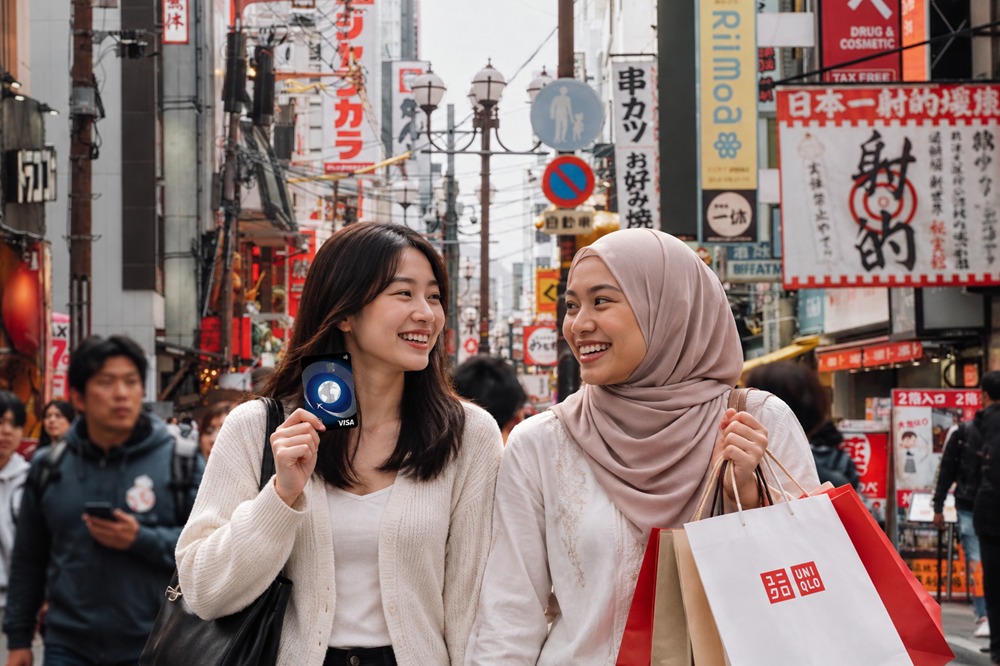
Payments are another practical consideration. The TNG eWallet Visa Travel Card can be used where Visa is accepted, making it useful for eligible shopping and dining payments while travelling. And for now, we also have a cashback promotion going on, where you can earn up to 3% cashback on your spending in Japan. You can also use overseas Scan & Pay with TNG eWallet at participating merchants in Japan that support its QR payment network. Check the merchant’s accepted method before paying and keep some Japanese yen for places that only accept cash.
You can review Travel eSIM options, Visa card options and overseas QR payments before departure, without needing to arrange every travel task after landing.
Make the most of your sakura holiday
The best sakura trip isn’t necessarily the one with the most destinations. It’s the one that gives you time to enjoy the scenery, walk through interesting neighbourhoods and still have a good holiday if the weather changes.
Choose Tokyo, Kyoto or Osaka for a first spring visit around late March or early April. Look towards Aomori and Hokkaido for later-season blossoms. Keep your itinerary flexible, check the updated forecast nearer departure and plan a mix of flower-viewing spots and other attractions.
Before flying, sort out the practical details too. Explore Japan data packages through Travel eSIM, offered by TNG eWallet, and check the TNG eWallet Visa Travel Card and eligible Scan & Pay options so you’re prepared to navigate and make payments while enjoying Japan’s spring scenery.
FAQs
Which month is best to see sakura in Japan?
Late March to early April is generally the best period for Tokyo, Kyoto and Osaka. Northern destinations such as Aomori and Hokkaido usually bloom later, during April and into early May.
When will sakura bloom in Japan in 2027?
Exact 2027 bloom dates are not yet confirmed as of November 2026. Use historical seasonal windows to plan broadly and check the Japan National Tourism Organization’s updated forecast nearer spring.
How long do cherry blossoms last in Japan?
Full bloom usually lasts around one week, although weather and cherry tree varieties affect the duration. The national sakura season lasts much longer because different regions bloom at different times.
Is Tokyo or Kyoto better for sakura viewing?
Tokyo is great for large parks, moats and easy public transport, while Kyoto offers cherry blossoms alongside temples, canals and traditional streets. Both are worthwhile for a first visit.
Can I see sakura in Japan in May?
Yes, particularly in parts of Hokkaido and northern Japan during early May. Tokyo and Kyoto’s main blossom period will usually have ended by then, so choose your destination accordingly.