Nov 12 2026
New car or used car in Malaysia, which is better for you?
by Haziq
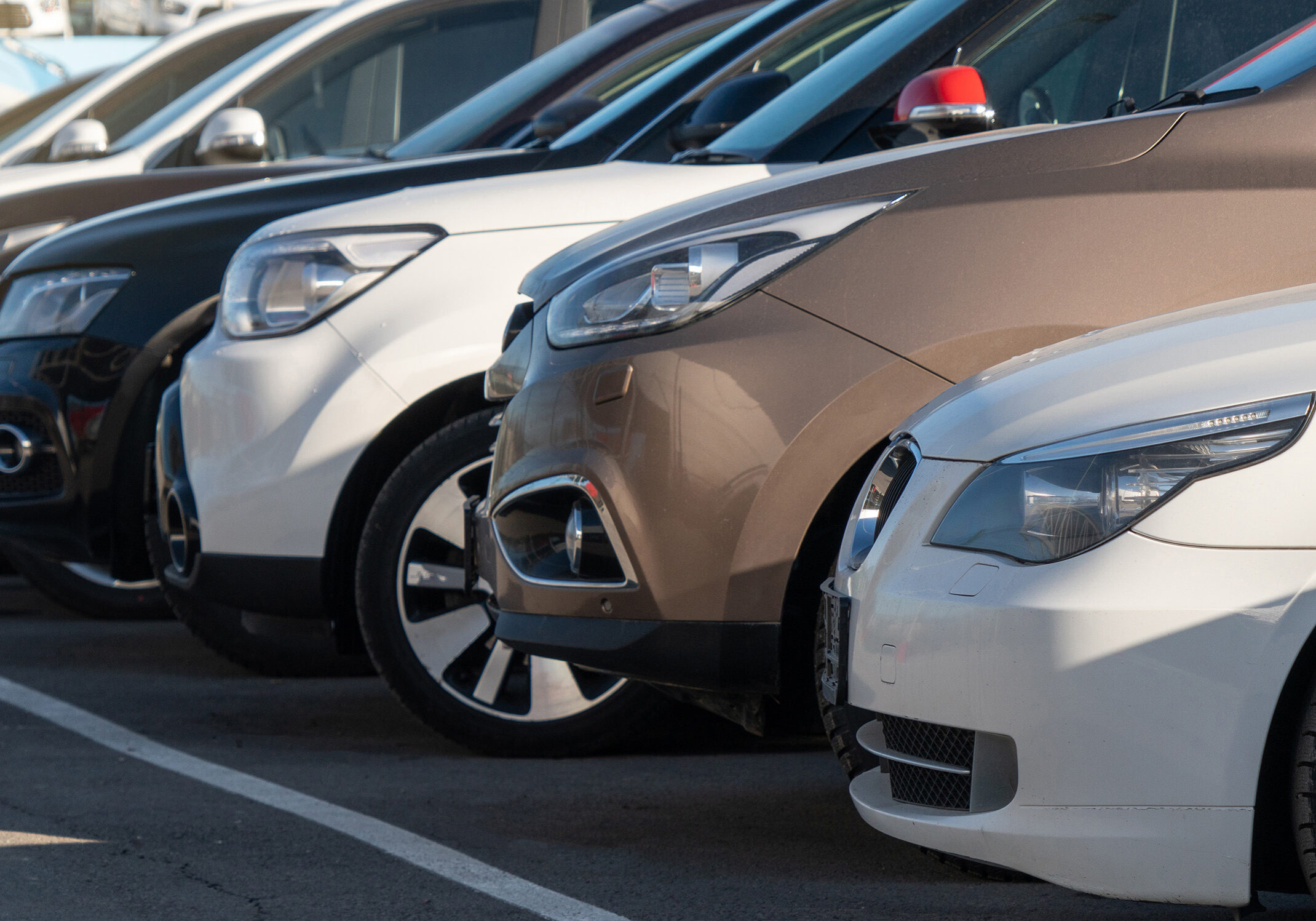
There’s a particular temptation in a car showroom. The seats are spotless, the steering wheel is untouched, and you can imagine driving home in a car that’s entirely yours. Then you open a used-car listing and see a similar model for RM20,000 less. Suddenly, that new-car smell comes with quite a price tag.
Choosing a new car or used car in Malaysia isn’t just about what you can afford each month. A new car offers a clearer history and manufacturer warranty, while a carefully chosen used car can leave more money in your pocket. The better buy is the one that fits your routine, your budget and the amount of uncertainty you’re comfortable with.
Here’s how to compare both options before signing anything.
New car or used car at a glance
If you want a car with predictable early ownership costs and the latest equipment available on your chosen model, buying new is appealing. If you’d rather spend less upfront or get a higher-specification car for the same budget, buying used deserves a serious look.
| What matters | New car | Used car |
|---|---|---|
| Purchase price | Generally higher | Often lower for a comparable model |
| Warranty | Usually comes with a manufacturer warranty | May have remaining or dealer-provided warranty, or none |
| Condition and history | No previous private owner | Depends on past driving and maintenance |
| Depreciation | You bear the early loss in resale value | Earlier owner has usually absorbed some of it |
| Repairs | Fewer age-related surprises initially, but not risk-free | Greater need to inspect and budget for wear |
| Choice | Current models, colours and specifications | Older trims and discontinued models may offer value |
As you can see, the table doesn’t show you a clear winner. either column wins on every point. The interesting part is how these differences affect your life after you collect the keys.
What a new car gets you
For someone relying on a car to get to work every day, peace of mind has value. A new car comes with a documented starting point. You know it hasn’t spent years in stop-start traffic, and you aren’t trying to guess whether the previous owner changed the engine oil on time.
A manufacturer warranty can help with certain unexpected repair bills, although servicing rules and exclusions still apply.
Newer models may offer improved safety or efficiency, but compare the features on the actual variant, not just those shown in advertisements.
The trade-off is a higher price and potentially more financing on a depreciating asset.
When buying new makes more sense
Consider a new car if you plan to keep it for many years, drive frequently, need predictable access to transport or would struggle to absorb a surprise repair bill. Paying more upfront may be worthwhile if you genuinely value the warranty and intend to make full use of the car.
But don’t stretch your finances simply because a dealership can offer a monthly instalment that looks manageable.
How a used car can be the better buy
A used car’s biggest appeal is that someone else has already absorbed some depreciation. A well-maintained three- or four-year-old model may cost considerably less than it did when new.
The saving could mean a smaller loan or a higher-specification variant within your budget.
Some used cars still have manufacturer warranty, while certified pre-owned schemes may offer limited protection. Check the actual terms.
Two cars of the same age can have very different histories, from careful servicing to flood damage or neglected maintenance. Price alone won’t reveal that.
When buying used makes more sense
Used can be a good choice if you want to borrow less, can pay for an independent inspection and have some savings set aside for repairs. Look for reliable service records and readily available parts.
A suspiciously cheap car with missing records, however, is not automatically a better deal than a modestly priced new one.
Compare the actual amount you need to spend
Imagine you’re comparing a brand-new car at RM75,000 with a suitable used alternative at RM50,000. If you make a 20% down payment, that’s RM15,000 upfront for the new car versus RM10,000 for the used one. The amounts left to finance would be RM60,000 and RM40,000 respectively.
These prices and deposits are illustrations, not actual quotations for specific models.
The used car leaves you with RM5,000 more cash after the deposit and potentially less debt. But you still need to factor in financing costs and any maintenance it may need soon, such as tyres, brakes or a major service.
Look beyond the monthly instalment
Ask each lender for the total repayment amount, financing period, effective interest rate and early-settlement terms. A longer tenure can make the monthly figure look friendlier while keeping you in debt for longer.
There’s also an important 2026 change to know. Malaysia’s Hire-Purchase (Amendment) Act 2026 took effect on 1 June 2026, moving hire-purchase financing towards reducing-balance interest calculations and clearer effective interest rate disclosures. However, banks have a transition period until 31 March 2027, so some new agreements may still use older methods during that period. Check the calculation method on the actual quotation rather than assuming every lender has changed already.
Compare loan quotes on the same basis. A lower vehicle price doesn’t guarantee cheaper financing.
The costs that start after you bring the car home
It’s easy to fall in love with the monthly instalment and forget everything else. Petrol, tolls, parking, insurance, road tax and servicing will still need paying whether your car is new or used.
Imagine your instalment is RM600. Add RM250 for petrol, RM120 for tolls and parking, RM120 set aside for insurance and road tax, and RM110 for maintenance and tyres. Your total is now RM1,200 a month, even though the loan payment was only half that amount.
These are simplified budget figures. Your real costs will depend on the model, where you drive, the distance you cover and your insurance quotation. For a used car, you may need a larger repair reserve, particularly if major wear items are approaching replacement.
A short neighbourhood commute and daily highway driving from Kajang into KL produce very different bills. Bigger wheels and vehicles can also mean costlier tyres and servicing.
Depreciation deserves a place in this calculation too. You won’t see it deducted monthly, but it affects how much money you recover when you sell. This is part of reviewing everyday spending in Malaysia, not just comparing instalments.
What to check before buying a used car
A test drive won’t necessarily reveal an earlier accident or an intermittent gearbox fault.
Before committing, do these checks.
- Match the records to the car. Confirm the chassis and engine details, registration and seller’s right to transfer ownership.
- Ask for service history. Look for consistent maintenance and invoices, not just a claim that the car has been ‘well looked after’.
- Inspect for damage. Check for uneven panel gaps, signs of water damage, unusual smells, warning lights and tyres wearing unevenly.
- Arrange an independent inspection. A mechanic familiar with the model can assess wear, leaks, suspension and other costly problems more thoroughly than a short test drive.
- Confirm financing and transfer arrangements. Make sure any outstanding loan and the ownership transfer are handled properly before releasing the full payment.
In Malaysia, PUSPAKOM lists a RM30 Transfer of Ownership Inspection (MV15) for private vehicles. A separate Hire Purchase Inspection (B7), listed at RM60, applies when a buyer is obtaining hire-purchase financing for a used vehicle. These official inspections serve specific regulatory purposes and are not substitutes for a full independent mechanical inspection.
JPJ’s published transfer guidance also sets out identity and biometric verification requirements for individual private-vehicle ownership transfers. Confirm the current process with JPJ and PUSPAKOM before handing over payment.
Choose the car that matches the next few years of your life
If you drive mainly to the LRT station, a small, dependable car may be enough. For regular family trips, rear-seat space, boot access and safety matter more.
Consider whether the car will still suit you after a change of job or a growing family. Buying an SUV for one annual road trip in Malaysia may mean paying for space you rarely need.
Test the actual car where possible. Check visibility, comfort and parking ease, especially with a used vehicle.
Keep everyday car expenses manageable with TNG eWallet
Once you’ve bought the car, there’s less excitement around the next insurance bill or toll payment. These are the expenses worth making easier to track.
With CarInsure in TNG eWallet, you can compare car insurance and takaful quotations from participating insurers, review available add-ons and arrange road tax renewal when eligible. Compare the coverage, excess, insured value and exclusions, not just the cheapest premium. CarInsure is a comparison and purchase platform, with coverage provided by the selected insurer or takaful operator.
Road tax is another cost to budget for with either car. When it’s due, you can renew your road tax through TNG eWallet without visiting a counter. Search for renew in the app, select Road Tax, check your vehicle details and review the amount before paying. Your digital road tax can then be viewed in MyJPJ.
If insurance is also due, CarInsure lets eligible users include road tax renewal when arranging their cover. Check the details and total charges before confirming
If you regularly use highways, PayDirect can link a physical Touch ‘n Go card to TNG eWallet so eligible toll charges are deducted from your eWallet at participating highways. TNG RFID is another supported option for vehicles fitted with a registered tag at compatible lanes. Neither works at every toll point, so check coverage when needed and maintain the required balance.
Choose a car you can enjoy owning, not just buying
A new car can be worth paying more for when warranty coverage, a known history and the features you want matter most. A carefully inspected used car can offer better value if the lower price leaves room for savings and maintenance.
Before deciding, compare the full purchase and financing cost, build a realistic monthly driving budget and, for used vehicles, get the condition checked independently. The right car should fit your life without making every petrol fill-up or repair feel like a financial setback.
Once you’ve chosen, you can compare your insurance options through CarInsure in TNG eWallet and get your toll payments ready with PayDirect before your first drive.
Frequently asked questions about new and used cars
Is it better to buy a new car or used car in Malaysia?
A new car may suit buyers who value a known history, manufacturer warranty and lower early repair uncertainty. A used car may suit buyers who want a lower purchase price and can verify its condition. Compare financing and running costs before deciding.
Do used cars depreciate less than new cars?
Used cars have generally already experienced some of their early depreciation, so the next owner’s loss in resale value may be smaller. The actual amount varies by model, condition, demand and how long you keep the car.
Are used-car loans more expensive than new-car loans?
They can be. Financing rates, deposit requirements and available tenures depend on the lender, car age and your credit profile. Ask for the effective interest rate and total repayment rather than assuming the cheaper car automatically means cheaper financing.
What should I check before buying a second-hand car?
Confirm the ownership documents, service records, accident or flood damage signs, mileage consistency, outstanding financing and overall mechanical condition. Arrange an independent inspection and complete the required PUSPAKOM and JPJ procedures.
Which is better for a first-time car buyer?
Choose the car that covers your normal journeys without stretching your budget. A modest new car may offer useful warranty protection, while a well-maintained used car may reduce the amount you need to borrow. Keep an emergency fund for running costs and repairs either way.