Oct 29 2026
How to save money in Malaysia with simple everyday habits
by Venus Low
Saving money doesn’t always mean giving up everything you enjoy. The bigger challenge is noticing where small amounts disappear during an ordinary week, whether it is an extra food delivery charge, a daily café drink, impulse shopping or repeated spending on convenience.
Learning how to save money becomes easier when you make a few everyday decisions more intentional. You can separate part of your income after payday, compare the cost of eating out and cooking, use deals only for purchases you already planned to make and choose transport options that fit your routine.
This guide looks at practical ways to build those habits around everyday Malaysian spending, with examples involving food, transport, shopping, rewards and digital savings tools.
Start with the money that arrives on payday
The easiest time to save is often just after payday, before your available balance becomes tied to daily spending. Instead of waiting to see what remains at the end of the month, decide on a fixed amount and set it aside first.
The amount doesn’t need to be large. Saving RM50 or RM100 consistently can be more useful than setting an unrealistic target that you stop after one month. The important part is making the action repeatable.
You can use SAVE in TNG eWallet to keep money separate from your everyday eWallet balance. SAVE allows users to start from RM10 and add money through monthly or lump-sum contributions.
This separation can make the money less tempting to spend on food delivery, shopping or other daily purchases. However, projected returns can change and should not be treated as guaranteed returns.
Find the spending habits that quietly add up
Many people know their large monthly expenses, such as rent, bills and loan payments. The harder costs to notice are smaller purchases that happen repeatedly.
A RM8 drink bought several times a week, a RM5 delivery charge or a small convenience purchase may not feel significant on its own. Together, these expenses can affect how much money remains for savings.
Review one week of transactions and look for repeated spending rather than judging every purchase. You may discover that the issue is not one occasional meal at a restaurant but the combination of delivery charges, add-ons and last-minute orders.
Once you identify the pattern, choose one change that feels manageable. You might set a weekly limit for food delivery, prepare breakfast at home on selected days or bring a drink from home before leaving for work.
Make food spending easier to control
Food is one of the most practical places to save money because small changes can make a visible difference. You do not need to stop eating out completely. Instead, decide which meals are worth paying more for and which ones can be simpler.
For example, you might keep one meal each week for a favourite nasi kandar shop, café or family restaurant while choosing more affordable meals on other days. Buying directly from a nearby restaurant may also help you avoid delivery fees when you are already close enough to collect the food.
Planning two or three easy meals before the week begins can reduce the number of times you make a decision while hungry or tired. It also makes it easier to use ingredients already at home instead of buying another meal outside.
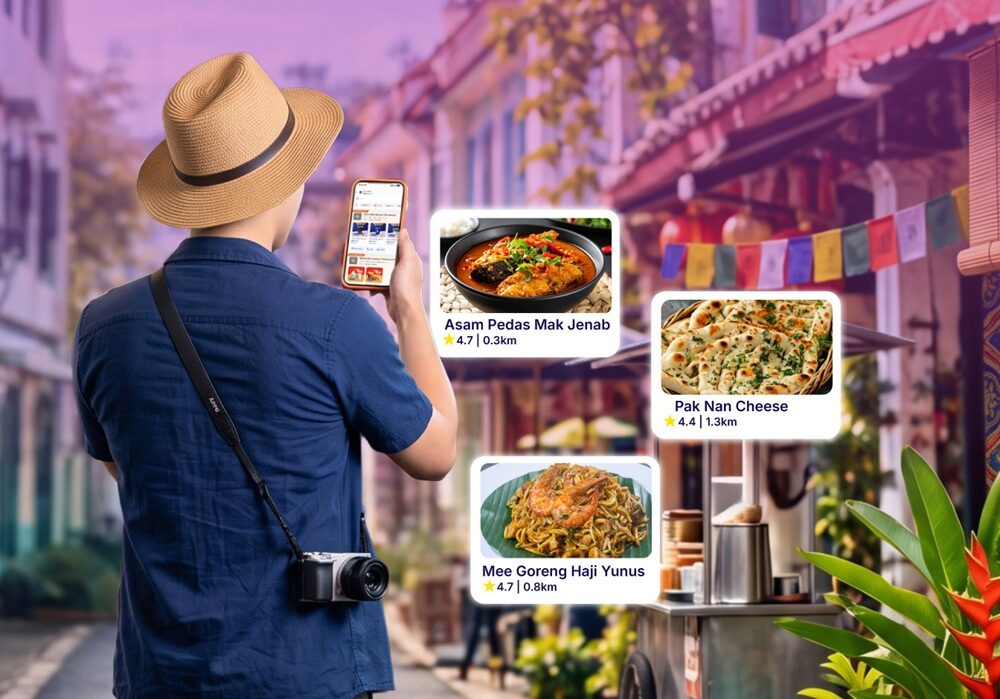
You can use Near Me in TNG eWallet to find nearby restaurants and participating deals. Compare the available options with your planned spending before making a purchase. A deal is more useful when it helps reduce an expense you already intended to make.

Use deals without spending more
Discounts and vouchers can help reduce planned spending, but they can also encourage impulse purchases. Before using a deal, ask whether you would still make the purchase if there were no promotion. GOyang-GOyang in TNG eWallet can offer surprise deals, vouchers or promotional codes. These offers may be useful when you are already planning to eat, shop or use a participating service.
A practical approach is to decide your budget first and check for a deal afterwards. This keeps the promotion in a supporting role instead of allowing it to determine what you buy.
You should also check the voucher’s expiry date, minimum spending requirement, participating merchants and other terms before paying. A discount that requires you to spend more than planned may not result in a real saving.
Give your savings a separate place to grow
Keeping savings in the same balance used for daily spending can make it easier to spend the money without noticing. Separating it can help you see the difference between money for today and money for a future goal. SAVE is designed for setting money aside separately in TNG eWallet. It may suit someone building an emergency fund, saving for a holiday or creating a regular monthly saving habit.
The official product information states that SAVE is linked to the Principal Islamic Money Market Fund and displays projected returns that are subject to change. These projected returns are not guaranteed, so you should consider your own financial situation and read the current product terms before using it. The main benefit for many users may be the separation itself. A saving method that is easy to start and repeat can be more useful than an option that looks attractive but is difficult to maintain.
Use GO+ for money you may need access to
GO+ may be considered by users who want potential returns while keeping access to their money. It is an investment product linked to Principal e-Cash, a Shariah-compliant money market fund managed by Principal Asset Management Berhad. GO+ is not a bank deposit or savings account. Returns are not guaranteed, and the product is not protected by Perbadanan Insurans Deposit Malaysia (PIDM). Read the current terms and consider whether the product is suitable for your financial needs before placing money in it.
It may be more suitable for money that you have already set aside but may still need to access, rather than money required for immediate bills or essential expenses. Keep enough cash available for regular commitments before considering an investment product.
Lower the cost of regular travel
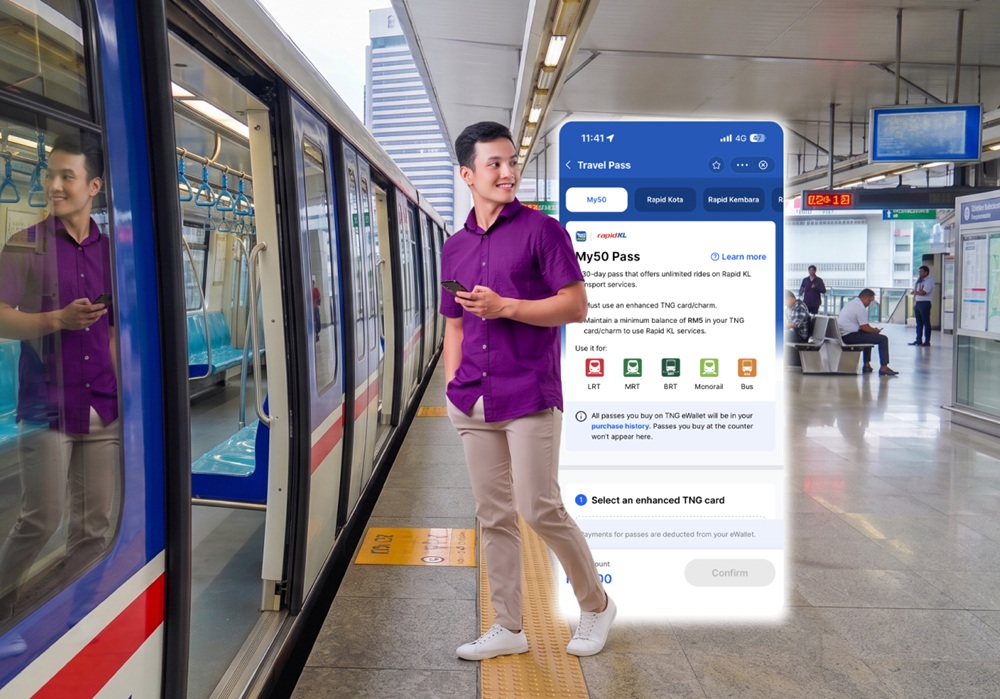
Transport costs can be easier to manage when you look at your routine instead of each individual journey. If you travel on Rapid KL services frequently, compare your usual monthly spending with the cost of an eligible travel pass.
The My50 travel pass costs RM50 and provides unlimited travel for 30 days on covered Rapid KL services. It is available to eligible Malaysians with a MyKad or MyTentera and covers services such as the LRT, MRT, Monorail, BRT, Rapid KL buses and MRT feeder buses in the Klang Valley. My50 may be useful for regular commuters who use the covered network often. It may not provide value if you only travel occasionally or mainly use other transport services. You can purchase and renew the pass through TNG eWallet. Check the latest eligibility and coverage terms before buying.
If you prefer to drive, petrol costs can take up a significant part of your monthly budget, especially when you commute to work, take your children to school or travel between towns. Eligible Malaysians under BUDI MADANI RON95 can purchase RON95 at the subsidised price, subject to the monthly eligibility limit. From 1 September 2026, the basic monthly limit is 300L for eligible BUDI95 recipients. You can also use TNG eWallet to check your BUDI95 eligibility and remaining subsidised litres, then purchase RON95 at participating petrol stations through the app.
Make saving automatic when possible
A saving habit is easier to maintain when it does not depend entirely on remembering to act. If you receive a regular salary, consider setting a monthly amount aside shortly after payday. The amount should be realistic for your income and existing commitments. If RM300 leaves you short before the end of the month, start with RM50 and increase it later when your spending becomes more predictable.
You can also connect the habit to a specific goal. Saving RM100 each month for a year creates a clearer target than simply trying to spend less without knowing why. SAVE in TNG eWallet offers two ways to set money aside. You can use monthly cash-in to save bit by bit towards a specific goal, or make a lump-sum cash-in when you already have money that you want to separate from your everyday spending balance.
For example, you could set aside RM100 each month for a holiday, annual insurance payment or emergency fund. If you receive a bonus or have extra cash available, you could also place a larger amount into SAVE and allow it to earn projected returns, subject to change. Naming the goal can make it easier to decide whether an unplanned purchase is worth delaying. However, projected returns are not guaranteed, so check the latest product information and terms before using SAVE.
Review your progress without making it complicated
You do not need a complicated spreadsheet to understand whether your saving habit is working. Many banking apps and eWallets provide an expenditure breakdown, including the Cash Flow feature in TNG eWallet, which helps categorise spending and show where most of your money goes.
At the end of each month, review your Cash Flow and look for the categories that take up the largest share of your spending. You may find that food, shopping, transport or recurring payments are affecting your budget more than expected.
Use this information to decide what to change next. If food spending has increased, you could reduce food delivery or plan more meals at home. If transport costs are high, compare your usual spending with available travel passes or alternative routes.
You can also review three simple points
- How much did you set aside
- Which spending category increased
- Which saving habit was easiest to maintain
If food delivery increased but transport spending fell, the next month’s adjustment can focus on meals rather than cutting transport further. This makes saving more practical because you are responding to your actual behaviour. It is also useful to leave some room for enjoyment. A budget that does not allow for occasional meals, outings or personal purchases may be difficult to follow for long.
Small changes can create more room in your budget
Saving money is not only about finding the cheapest option every time. It is about making regular spending more intentional and directing the difference towards something more useful. You can start by saving a fixed amount after payday, reviewing repeated food and convenience spending, using deals only for planned purchases and choosing transport options that match your routine.
Features such as SAVE, GO+, Near Me, GOyang-GOyang and My50 can support different parts of this routine. The right choice depends on whether you are trying to separate savings, manage available funds, reduce planned spending or lower regular transport costs.
Conclusion
Learning how to save money in Malaysia does not require you to remove every enjoyable expense. A more sustainable approach is to notice the habits that repeat, make one or two practical changes and give the money you save a clear purpose. You can begin with a small amount after payday, review where your food and convenience spending goes, check Near Me deals before planned purchases and compare your regular Rapid KL travel costs with My50 if you are eligible.
For longer-term saving goals, explore how SAVE can help you keep money separate from your daily spending balance, while remembering that projected returns and investment products come with their own terms and risks.
FAQs
How can I save money from daily expenses
Review repeated spending such as food delivery, café drinks, convenience purchases and subscriptions. Choose one category to reduce instead of trying to cut every expense at the same time.
Can Near Me help me spend less
Near Me can help you find nearby restaurants and participating deals. It only creates a saving when the deal replaces planned spending rather than encouraging an extra purchase.
Is GOyang-GOyang always a way to save money
GOyang-GOyang may offer vouchers, promotional codes or surprise deals, but the offer should be used carefully. A promotion is not a saving if it causes you to spend more than planned.
Who can use the My50 travel pass
My50 is intended for eligible Malaysians with a MyKad or MyTentera. It provides unlimited travel for 30 days on covered Rapid KL services in the Klang Valley. Check the latest terms before purchasing.
How can I make my saving habit last
Choose a small action that you can repeat, connect it to a clear goal and review your progress once a month. A realistic habit is usually easier to maintain than a strict plan that leaves no room for normal spending.