Oct 29 2026
How to make money in Malaysia: 15 realistic ways to earn extra income
by Haziq
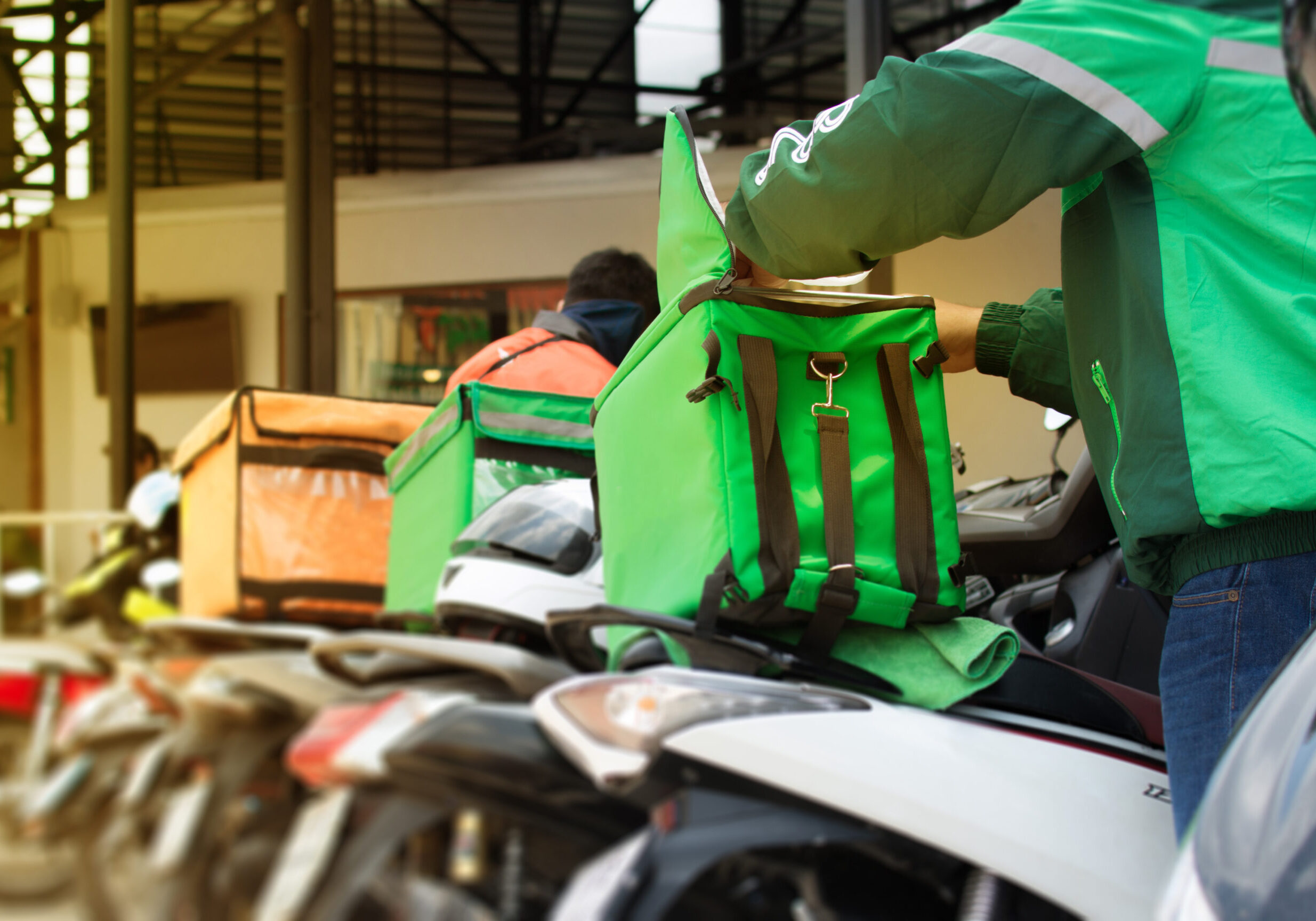
The cost of living in Malaysia keeps climbing. The minimum wage sits at RM1,700 a month as of 2025, but the median salary (the middle point) was only RM2,793 as of 2024, according to the Department of Statistics Malaysia (DOSM). For a lot of people, one income stream is not enough anymore.
Perhaps, that is why more than 3 million Malaysians now participate in the gig economy, and 66% of office workers and professionals have some form of side hustle. Whether you are looking to make money online, pick up gig work, or build passive income, there are more options now than there were even a few years ago.
This guide covers 15 realistic ways to earn extra income in Malaysia, from freelancing and affiliate marketing to dividend investing and renting out property. Each one includes what you can realistically earn and what you need to get started.
Why Malaysians are earning extra income
The numbers tell the story. According to DOSM’s 2025 Salaries and Wage survey, the mean monthly salary (the average across all workers) in Malaysia is RM3,803, but nearly two-thirds of wage earners work in semi- and low-skilled jobs with average wages of RM2,714 and RM2,184 respectively. The average might seem high, but it is pulled up by high earners, so most Malaysians take home less than that figure. Inflation has pushed up the cost of food, transport and housing, while wage growth has not kept pace.
At the same time, the gig economy has grown. The Gig Workers Act 2025, which came into full effect on 31 March 2025, now covers 1.64 million gig workers in Malaysia. The government’s sharing economy initiatives have generated RM4 billion in income for more than 1.2 million Malaysians since 2016, according to MDEC.
The opportunity is there. The question is which option fits your situation.
How to make money online in Malaysia
Online work gives you flexibility. You can work from home, set your own hours, and often choose which clients or projects to take on. The barrier to entry is low, most of what you need is a laptop, an internet connection, and a skill you can sell. Here are five ways you can make money online.
-
Freelancing
If you have skills in writing, graphic design, web development, video editing, or virtual assistance, you can sell those services on platforms like Upwork, Fiverr, or Freelancer.com. Malaysian freelancers also use local platforms like JobsMalaysia and Maukerja.
Rates vary widely. Basic virtual assistance might pay RM20 to RM40 an hour. Specialised work like web development or copywriting can earn RM80 to RM150 an hour or more, depending on your portfolio and client base.
You will need to register with the Companies Commission of Malaysia (SSM) if you are doing this regularly. Any income earned from selling goods or services is considered business income under Malaysian law, and SSM registration makes your work legal and allows you to open a business bank account, apply for business loans, and file taxes properly. A sole proprietorship costs RM30 to RM60 a year to register.
-
Affiliate marketing
Affiliate marketing means promoting other people’s products and earning a commission when someone buys through your link. In Malaysia, the main platforms are Shopee Affiliate (3% to 10% commission), TikTok Shop Affiliate (5% to 20% commission), and Lazada Affiliate (1% to 10% commission).
TikTok Shop requires at least 1,000 followers to join. Shopee does not have a follower minimum. Payouts are typically processed 15 to 31 days after the customer receives their order.
This works best if you already have an audience, whether on social media, a blog, or a WhatsApp group. The income is inconsistent at first but can grow if you build trust with your audience.
-
Content creation
Malaysia’s creator economy is growing. A 2025 study by Kearney found that TikTok’s ecosystem contributed RM20 billion to Malaysia’s economy, with RM1.94 billion going directly to content creators. Nearly half of the surveyed creators earned more than RM1,700 a month, and 17% earned over RM5,000.
You can earn through brand sponsorships, platform monetisation (YouTube ads, TikTok Creator Fund), and affiliate links. Rates depend on your follower count. Nano-influencers (1,000 to 10,000 followers) can earn RM100 to RM600 per sponsored post, while mid-tier creators (50,000 to 200,000 followers) command RM1,500 to RM6,000.
One thing to note though, content creation income is taxable. LHDN classifies earnings from sponsorships, ad revenue, affiliate commissions, and even non-cash perks like free products or paid trips as taxable income. All non-cash items must be declared at their fair market value. If your content creation is organised and repetitive, it counts as business income and you file Form B by 30 June. If it is more casual or one-off, it may fall under miscellaneous income and you file Form BE by 30 April. You can deduct expenses incurred for content production, including equipment, software, internet costs, and travel for shoots. Keep all receipts and invoices for at least seven years.
The catch is that building an audience takes time. Most creators work for months or years before earning consistent income.
-
Online tutoring
If you are good at a particular subject, you can teach it online. Platforms like MyTutor.My, Superprof, and Preply connect tutors with students in Malaysia and abroad. Rates for online tuition range from RM30 to RM70 an hour, depending on the subject and level.
SPM-level Maths and Science tutors typically charge RM45 to RM50 an hour. IGCSE tutors can charge RM40 to RM70. Language tutors on platforms like iTalki set their own rates.
You do not need a teaching degree for most platforms, though it helps. You do need a stable internet connection, a quiet space, and patience.
-
Dropshipping
Dropshipping means selling products online without holding inventory. When a customer orders from your Shopee, Lazada, or TikTok Shop store, your supplier ships directly to them. You keep the margin between what you charge and what the supplier charges.
Platform commissions in Malaysia range from 5% to 8.5% on Lazada, 10% to 18% on TikTok Shop, and 17% to 20% on Shopee as of 2026. You will need to factor these into your pricing.
The main work is finding reliable suppliers, creating product listings, and handling customer service. You will also need to register with SSM and declare your income.
Offline side hustle ideas in Malaysia
Offline work is straightforward. You trade your time for money, and the income is usually immediate and predictable. There is no need to build an audience, chase clients, or learn digital marketing. If you have a vehicle, a skill, or spare hours on evenings and weekends, these options can start paying within days.
-
Grab and ride-hailing
Driving for Grab or other ride-hailing platforms is one of the most common gig jobs in Malaysia. Gross monthly income averages around RM2,135, but after fuel, maintenance, insurance and platform commission (20% to 30%), the net take-home is closer to RM1,100 to RM1,500.
Many drivers work 12 hours a day, six or seven days a week, to hit those numbers. Income has declined 30% to 50% over recent years due to increased competition and fee changes. It is still viable as a part-time option if you already have a car and flexible hours.
-
Delivery services
Delivering food or items for foodpanda or Lalamove tends to pay better than ride-hailing on a per-hour basis. Gross income can reach RM3,900 a month if you work full-time, with net take-home around RM3,040 after expenses like fuel, vehicle maintenance, and phone bills.
Part-time delivery riders typically earn RM1,500 to RM2,500 a month. You need a motorcycle or car, a valid licence, and a smartphone. The work is physically demanding, especially in bad weather, but the hours are flexible.
-
Part-time jobs
Retail, F&B, and event staffing are common part-time options. The minimum hourly wage is RM8.72 (derived from the RM1,700 monthly minimum), though some employers pay RM8 to RM12 an hour in practice.
Part-time work is straightforward: you show up, do the job, get paid. There is no client hunting or marketing required. The trade-off is that the pay is capped and the work is rarely flexible.
-
Home tuition
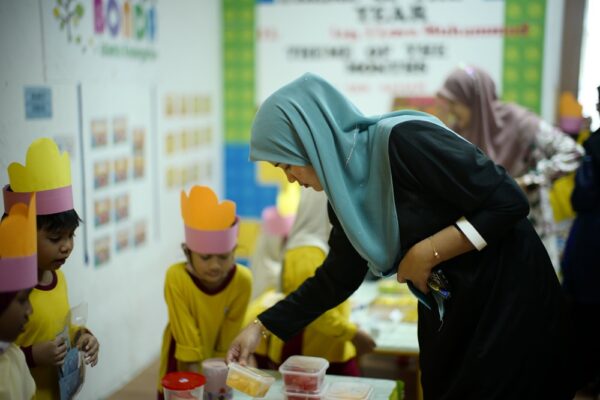
If you prefer teaching in person, home tuition pays better than online tutoring for most subjects. Rates start at RM30 an hour for primary school students and go up to RM55 an hour for STPM-level subjects. IGCSE and UEC tutors charge RM40 to RM70 an hour.
You can find students through word of mouth, local Facebook groups, or tuition agencies. Most tutors teach two to four students a day, which can add up to RM2,000 to RM4,000 a month part-time.
-
Selling at pasar malam or bazaars
Selling food, drinks, or goods at pasar malam (night markets) or seasonal bazaars is a traditional side hustle. Stall rental is typically RM5 to RM30 a day for regular pasar malam, though Ramadan bazaar lots can cost significantly more in prime locations. To find out about stall availability and rental rates in your area, check with your local city council (DBKL in Kuala Lumpur, MBPJ in Petaling Jaya, MBSJ in Subang Jaya, and so on). Most councils publish their pasar malam schedules and application forms online.
The income is variable and depends on what you sell, where you sell it, and how good you are at it. Some vendors make RM200 to RM500 a night; others struggle to cover costs. It works best if you have a product with decent margins and the stamina to work evenings and weekends.
Passive income in Malaysia
Passive income means your money works for you while you do other things. Unlike freelancing or gig work where you trade hours for ringgit, passive income streams generate returns from money you have already set aside. They take time to build and usually require some capital upfront, but once they are running, the income comes in without daily effort. Here are five options to consider.
-
Dividend investing
Dividend stocks on Bursa Malaysia can generate passive income if you pick the right companies. Banking stocks like Maybank and RHB Bank typically offer 4% to 7% dividend yields. REITs like Sentral REIT and CapitaLand Malaysia Trust have yielded 8% to 10% in recent years.
You need a CDS account with a brokerage to buy shares. The minimum investment depends on the share price, but you can start with a few hundred ringgit. Dividends are paid annually or semi-annually and are tax-free for individuals in Malaysia.
-
Fixed deposits
Fixed deposits are the lowest-risk option on this list. Malaysian banks offer 1.75% to 2.50% per annum for 6- to 12-month tenures as of early 2026. Some promotional rates reach 3.60% to 3.93% for specific tenures.
The minimum deposit is usually RM1,000 to RM5,000. Your money is locked for the tenure period, though some banks allow early withdrawal with a penalty. It is not exciting, but it is safe and predictable.
-
Micro-investing
Robo-advisors like StashAway and Wahed Invest let you start investing with as little as RM100. StashAway charges 0.8% per annum on the first RM150,000 and uses a diversified portfolio of global ETFs. Wahed Invest offers Shariah-compliant portfolios with a flat fee of around 0.79% per annum.
Within the TNG eWallet app, you can also use GO+ to earn daily interest on your balance while keeping your money accessible, or Save to set aside money for specific goals with target amounts and timelines. For unit trust investments managed by professional fund managers, Principal is available directly through the app with low minimum investments. Both are low-effort ways to put your extra income to work. Kenanga Digital Investing (KDI Save) is another cash management option with projected yields of 3.5% to 3.8% per annum and no lock-in period. These platforms are regulated by the Securities Commission Malaysia.
-
ASNB (Amanah Saham Nasional Berhad)
ASNB funds like Amanah Saham Bumiputera (ASB) are open to Bumiputera Malaysians and have consistently delivered returns above fixed deposit rates. In 2025, the total return was 5.75 sen per unit (5.20 sen distribution plus 0.55 sen bonus). The price per unit is fixed at RM1, so your capital does not fluctuate.
You can invest up to RM300,000. Withdrawals are allowed at any time, though there is a short processing period. You can buy and manage ASNB investments directly through the TNG eWallet app. ASNB is widely considered one of the best low-risk investments available to Bumiputera Malaysians.
-
Renting out property or rooms
If you own property, renting out a room or the entire unit can generate passive income. Malaysia’s national average rental yield is 5.27% as of Q1 2026, according to RP Realty Plus. Condos in KL city centre and the Iskandar region in Johor tend to yield more.
You can list on platforms like Airbnb for short-term rentals or iBilik and Mudah.my for long-term room rentals. The work involved depends on whether you manage it yourself or hire a property manager.
What to do with your extra income
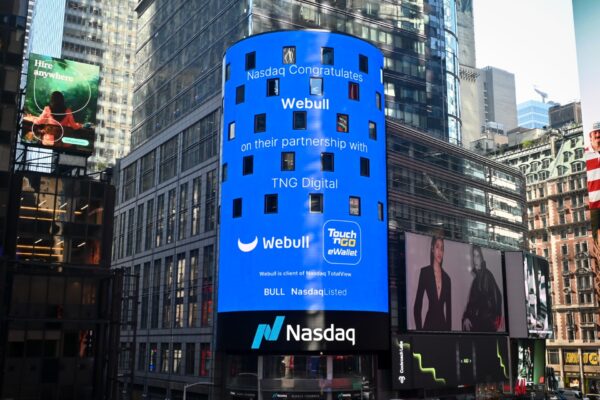
Earning extra money is only the first step. If it sits in a current account earning nothing, inflation will eat away at it over time. The TNG eWallet app has several features that make it easy to put your side hustle income to work, from GO+ for daily interest on spending money to Save for goal-based savings, Principal for unit trust investments, Webull for stock trading, and ASNB for low-risk Bumiputera funds.
The point is not to use all of these at once. Pick one or two that match what you are saving for. If your side hustle income is going toward a specific goal, put it in Save. If you want it working for you over the longer term, look at Principal, Webull, or ASNB.
FAQs
Do I need to register with SSM to earn extra income?
If you are selling goods or services regularly, yes. A sole proprietorship costs RM30 to RM60 a year to register through the ezBiz portal. Casual freelancing or occasional gig work may not require registration, but if it becomes consistent income, SSM registration is expected.
Do I have to pay tax on side hustle income?
Yes. Side income must be declared using Form B when you file your taxes. The deadline is 30 June for paper filing or 15 July for e-filing. You get a RM9,000 personal relief deduction automatically, and there is a RM400 rebate if your chargeable income is below RM35,000. Keep records of your income and expenses for seven years.
How much can I realistically earn from a side hustle in Malaysia?
It depends on the method and how much time you put in. Food delivery riders earn RM1,500 to RM3,000 a month part-time. Freelancers earn RM20 to RM150 an hour depending on their skills. Home tutors earn RM30 to RM70 an hour. Affiliate marketing and content creation income varies widely and can take months to build.
What is the easiest way to start making extra money in Malaysia?
Food delivery and ride-hailing are the easiest to start if you have a vehicle. You can sign up and start earning within days. Freelancing requires more setup (portfolio, platform registration) but pays better for skilled work. Part-time jobs in retail or F&B are straightforward but pay less.
Is passive income really passive?
Not entirely. Dividend investing requires research and monitoring. Property rental requires tenant management and maintenance. Fixed deposits and ASB are genuinely passive once you have deposited the money. Robo-advisors are mostly passive but still require you to monitor your portfolio occasionally.