Feb 10 2026
Chinese New Year ang pow guide 2026: Rates, traditions, and etiquette
by Admin
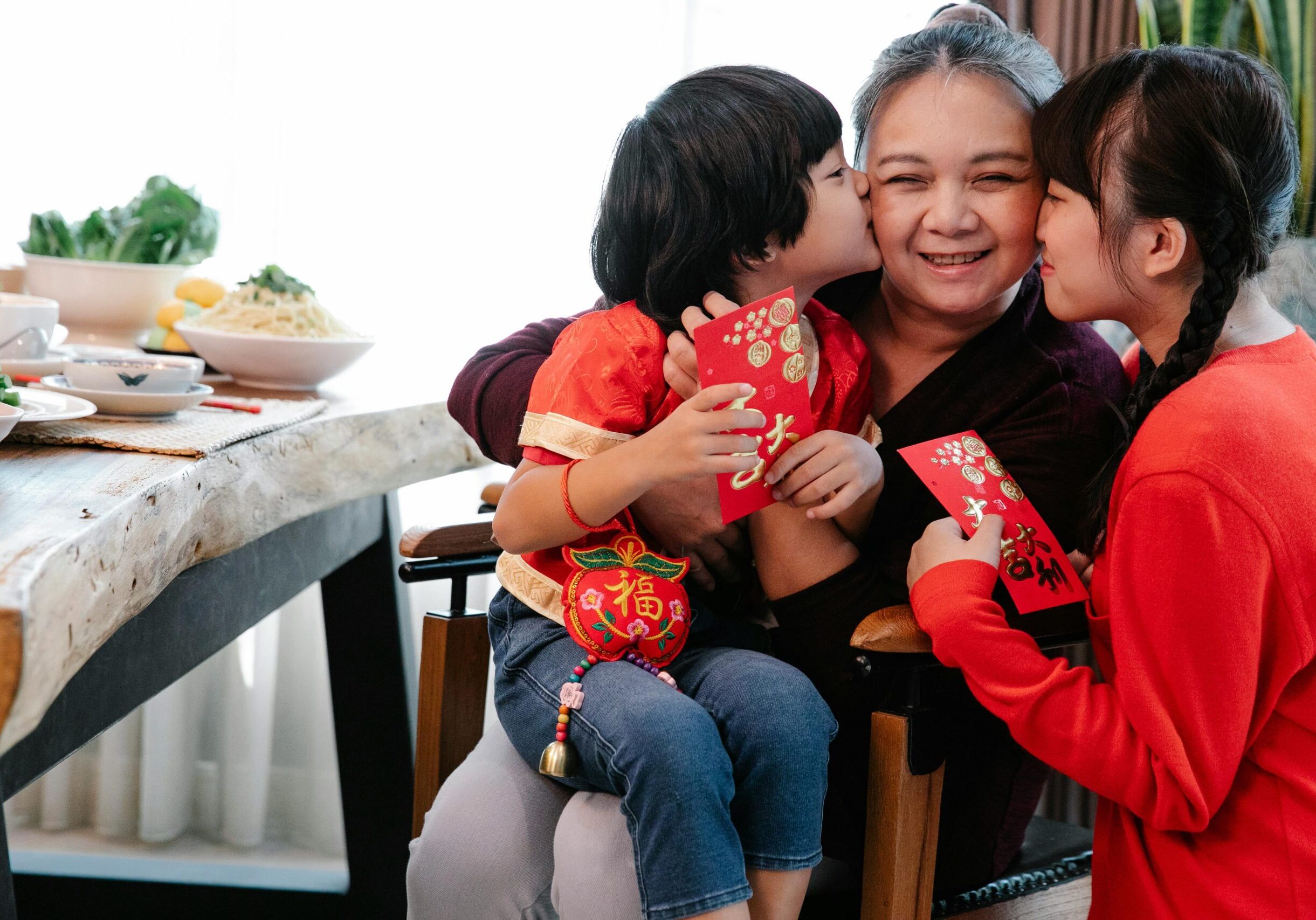
While there are plenty of things to look forward to Chinese New Year, there’s no denying that ang pow packets tend to get the most attention. At least for children and single adults. However, for married couples, you’re likely facing the classic dilemma: how much to give. We’ve simplified the process for you with a breakdown of ideal rates and must-know etiquette for both giving and receiving red packets this year.
The history and tradition behind CNY ang pow
There are many stories about the origin of ang pow gifting, with one of the most well-known dating back to the Qin Dynasty. According to legend, a demon named Sui would appear on the eve of Chinese New Year and touch children’s heads, cursing them with illness or misfortune.
One couple prayed for their newborn’s safety, and eight fairies turned into coins to protect the child. These coins were then wrapped in red paper and placed under the pillow to ward off the demon.
After Sui was defeated, parents began giving coins in red paper for ya sui qian, meaning “to ward off evil spirits.” Over time, this practice evolved into the modern tradition of giving CNY ang pow packets for good luck and prosperity.
Who’s supposed to give Chinese New Year red packets?
Traditionally, ang pow packets are given by married adults to kids and single relatives. Today, the practice is much more flexible. Single adults may give red packets to their elders as a sign of respect and thanks. Chinese New Year red packets are also often exchanged in other settings too:
- At the office: Bosses may give ang pows to their staff.
- Within the family: Some parents continue giving ang pows to their married children.
- In the community: Red packets are often given to service workers like security guards, cleaners or postal workers as a gesture of appreciation.
2026 CNY ang pow rate guide
If it’s your first time giving red packets, it’s easy to feel unsure about how much to give. Some may even feel the pressure when comparing amounts within the family. Ultimately, the amount you choose to give is a personal choice. You can go big to spread the huat or stick to a modest amount that’s realistic for you. Before prepping your ang pow packets, it helps to set a budget. Below is a general ang pow rate guide for reference.
| Relationships | Rates |
| Parents, spouse | RM88 to RM388 |
| Own children | RM50 to RM200 |
| Siblings, siblings-in-law, cousins | RM50 to RM80 |
| Nieces, nephews, and extended family | RM10 to RM50 |
| Other children | RM8 to RM20 |
| Services | RM8 to RM10 |
Note: This guide is just for reference only. Give what you’re comfortable with and within your means.
Essential ang pow etiquette
To ensure you are spreading the ong and blessings correctly, keep these traditional “rules” in mind when you’re handing out Chinese New Year red packets:
For givers
Offer the ang pow with both your hands and include a brief well wish. This shows respect and sincerity. It’s best to give ang pows when you arrive at the gathering, rather than when you’re just about to leave.
For receivers
Just like the giver, the receiver should accept the packet with both hands as a sign of respect. You must also never open an ang pow in front of the giver, as it’s culturally seen as rude and insensitive.
Important dos and don’ts for CNY ang pow packets
Customs around ang pow packets can vary across families and generations. While traditions may differ, these dos and don’ts reflect some of the most commonly observed practices.
Give an even amount (preferably)
Even numbers are often preferred in Chinese culture as they’re associated with balance and harmony. Amounts with 2, 6, or 8 are considered more auspicious, while 4 is typically avoided, as its pronunciation in Chinese sounds similar to the word for “death” and is considered bad luck.
Don’t use white envelopes
White is traditionally linked to mourning and funerals, so stick to red packets, which symbolise joy and prosperity.
Use new or neat bank notes
New bank notes symbolise fresh beginnings and a positive start to the year. That said, older notes are also acceptable, as long as they are clean and in good condition. Also, try not to include coins.
Don’t reuse old ang pow packets
Reusing packets can suggest that your blessings for ong and huat are outdated or short-lived. Using new ang pow packets help mark the start of a new year.
Modern ang pow gifting: make it fun with Money Packet

While physical ang pow packets remain a beloved part of Chinese New Year, e-ang pow packets have become a convenient alternative, especially if you’re short on time or unable to visit the bank to withdraw cash.
With TNG eWallet’s Money Packet feature, you can send digital ang pows to up to 100 recipients. You can choose between Equal mode, where the total amount is split evenly among recipients, or Random mode, where recipients receive varying amounts, which adds a fun, game-like twist for your friends and family.
Wrapping up your 2026 ang pow preparation
Ang pow giving doesn’t have to be stressful. Whether you choose physical ang pow packet or a digital one, what matters most is the intention and gesture behind it. Give within your means and focus on enjoying the time spent with family and friends during Chinese New Year.
If you’re travelling during this festive period, remember to buy your esim online in advance or upgrade your travel card for better cashback rewards and zero exchange rate fees.
Cover image credit: Angela Roma via Pexels